

When a disruption hits the news, the useful information is rarely the headline alone. By the time a story is easy to summarize, much of the immediate uncertainty has already been priced in—or the situation has been framed in a way that flatters simplicity over accuracy.
OpsReport focuses on supply signals because they tend to be measurable, comparable over time, and less dependent on narrative spin. That does not mean ignoring events. It means asking which indicators would have been informative before the event became obvious.
Recommended reading
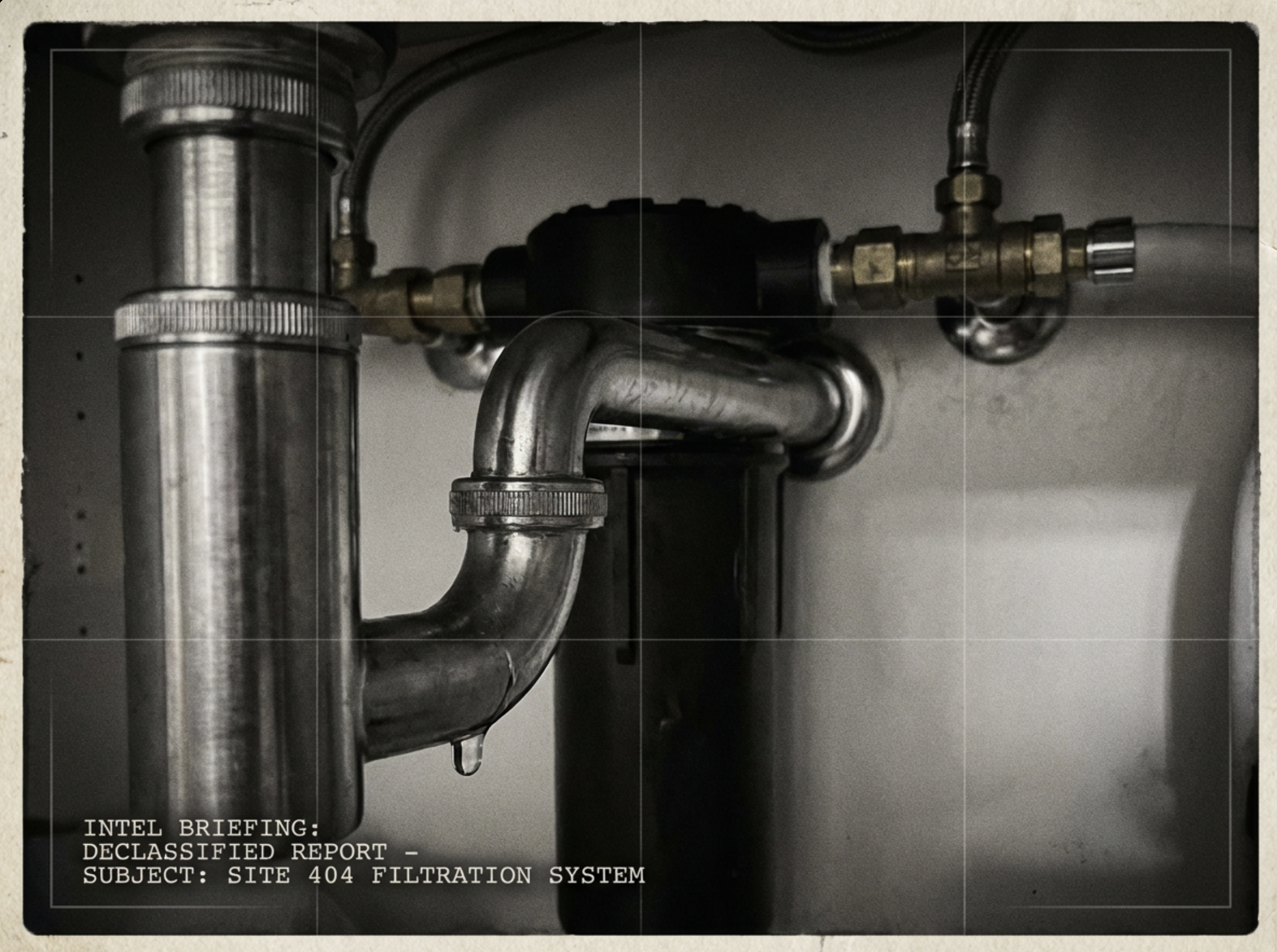
The Water Problem Most People Don’t See Coming
Why water pressure, taste shifts, and aging infrastructure often show up quietly—until they don’t.
Lead times and fill rates
Extended lead times or declining fill rates in specific categories often precede visible shortages. They reflect friction in scheduling, labor, inputs, or logistics—not a verdict on “collapse,” but a prompt to verify assumptions about what you rely on and how fast it can be replaced.
Geographic and supplier concentration
A product can look abundant nationally while remaining fragile locally or dependent on a narrow set of origins. Mapping where inputs and finished goods actually come from—without dramatizing it—helps you separate routine variance from structural pinch points.
What to do with this
You do not need a war room. A practical step is to pick one or two categories that matter to your household or organization (medications, a key spare part, a staple you cannot substitute quickly) and note baseline availability and delivery times. When those baselines drift, you have a signal worth watching—often well before the headline writers agree on a single story.
OpsReport will keep returning to these themes: observable shifts, calm language, and decisions you can actually make.
Recent updates
- Why "Normal" Is Becoming Harder To DefineThe baseline people rely on is shifting more than they realize.
- What’s Starting to Shift Beneath the Iran HeadlinesWhen a situation is serious enough to dominate news, the early strain often shows up somewhere quieter—routing, timing, and terms, not slogans.
- The Supply Signals Most People Miss CompletelyNot all supply disruptions look like empty shelves.