

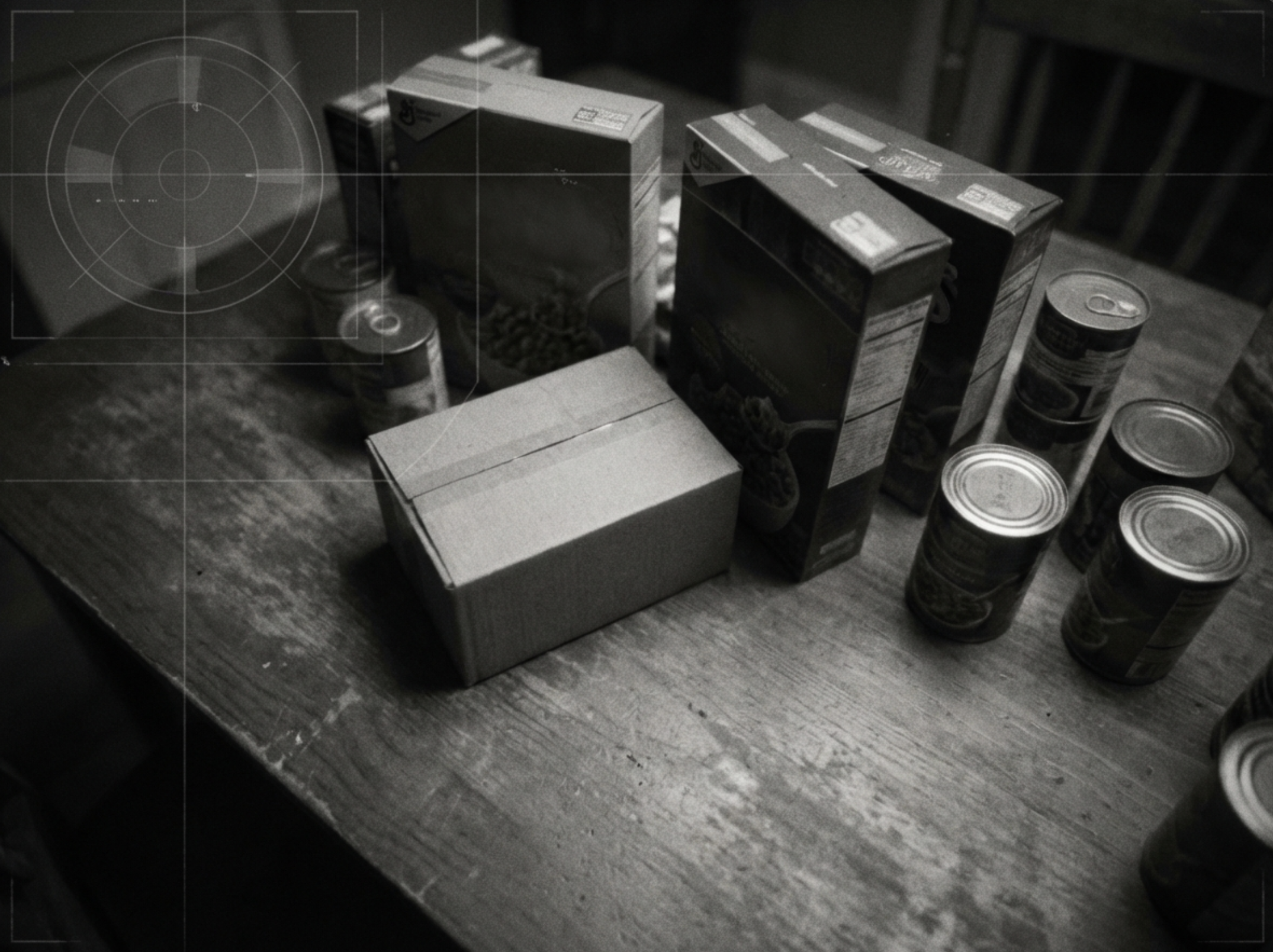
Price is the signal everyone sees, which is exactly why it is often over-interpreted in the moment. For preparedness and operational thinking, the more durable question is whether the terms of the transaction are changing in a pattern—not whether a single item went up last week.
Recommended reading
Why Energy Prices Spike Before Anyone Warns You
The early signals most people miss before energy costs jump.
Unit economics in the aisle
When package sizes shrink while shelf tags look stable, the effective price per unit rises without a headline-friendly “inflation” story. The same logic applies to bundles that lose a component or to “new formulas” that reduce concentration. These shifts are easy to dismiss as noise until you track a few SKUs you actually buy on a schedule.
Fees, deposits, and speed premiums
In services, watch for separation of base price and add-ons: delivery thresholds, booking fees, deposits, and “express” tiers. Businesses often use fees to recover margin without moving the number customers anchor on first. For households, that changes the real cost of maintaining the same habits—not a call to panic, but a reason to revisit what “normal” spend means.
Macro without the theater
Aggregate inflation prints summarize enormous heterogeneity. For decision-making, a lighter-weight approach works: pick a small basket tied to your life (food you eat every week, fuel you actually use, one utility bill) and note direction and volatility over months, not days. You are looking for sustained drift and sudden step-changes, not debating the correct single number for the whole economy.
We will keep highlighting these quiet moves—the kind that show up in behavior and fine print before they show up in slogans.
Recent updates
- Why "Normal" Is Becoming Harder To DefineThe baseline people rely on is shifting more than they realize.
- What’s Starting to Shift Beneath the Iran HeadlinesWhen a situation is serious enough to dominate news, the early strain often shows up somewhere quieter—routing, timing, and terms, not slogans.
- The Supply Signals Most People Miss CompletelyNot all supply disruptions look like empty shelves.