

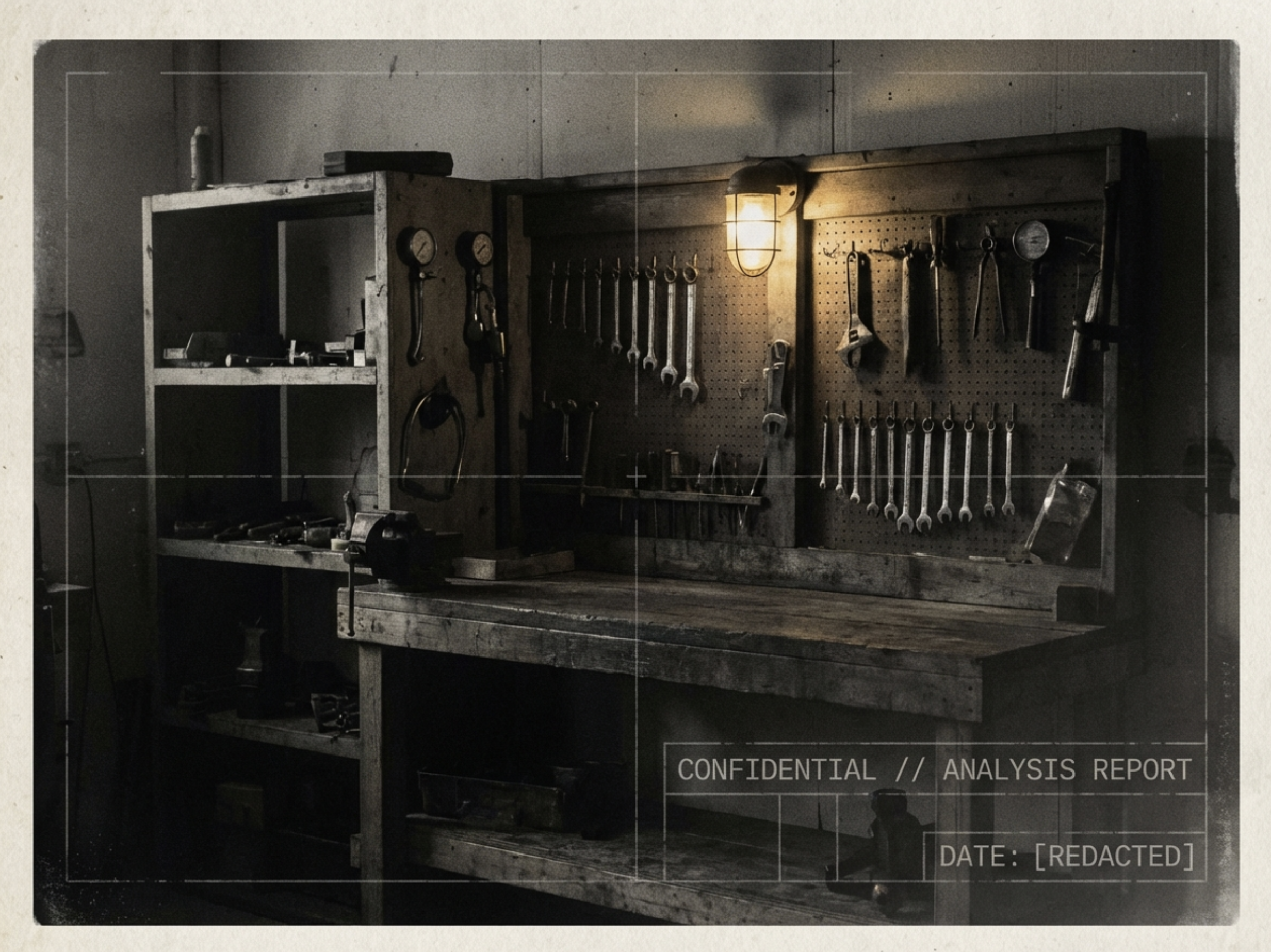
For a long time, buying was the practical default.
If you needed something, you bought it. End of story.
That still works for plenty of things—but it’s less of a slam dunk than it used to be. Prices drift, quality varies, and “just replace it” isn’t always the calm answer it once was.
The obstacle is rarely motivation
When people talk about building, they assume the hard part is drive.
In practice, the hard part is uncertainty.
You don’t quit because you’re lazy.
You quit because the plan is vague, the steps don’t line up, and you’re forced to guess at cuts, order of operations, and materials. Guesswork turns a weekend project into an expensive lesson.
Better systems remove that friction
What’s changed isn’t that everyone suddenly wants a workshop.
What’s changed is access to structured plans: clear sequencing, explicit details, and fewer places where you’re improvising the important parts.
You still have to put in the work—but the work is directed, not improvised from a half-baked diagram.